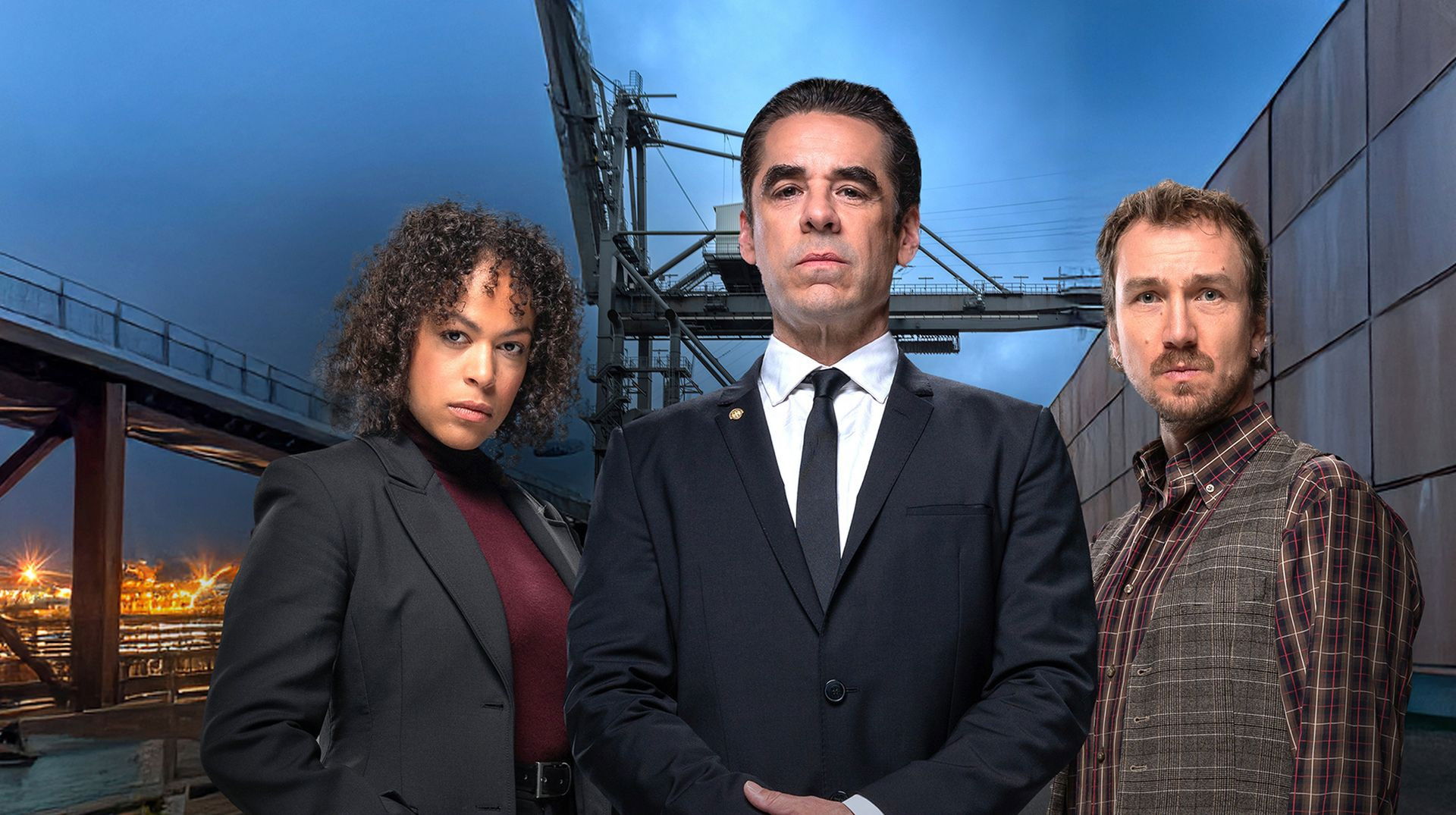
Tobias Oertel Leads Der Beschützer – Wissen, das tötet: A Gripping German Thriller Sequel
The landscape of German television thrillers has long been enriched by complex narratives, morally ambiguous characters, and high-stakes espionage. Among the standout productions, "Der Beschützer" carved a niche with its intense storyline and compelling lead performance by Tobias Oertel. Fans of the original 2021 film were thrilled when ARD announced a highly anticipated sequel for 2026, titled Der Beschützer – Wissen, das tötet. This follow-up promises to delve even deeper into the world of state secrets, perilous knowledge, and the relentless pursuit of truth, all anchored by a stellar Der Beschützer – Wissen, das tötet Besetzung.
As the title suggests, "Knowledge that kills" sets a chilling premise, implying a narrative where information itself becomes the ultimate weapon. In an age dominated by data, cyber threats, and the rapid advancement of technology, this theme is more resonant than ever. The return of Tobias Oertel as the titular 'protector,' Jan Schäfer, is undoubtedly one of the most exciting aspects, ensuring continuity and a familiar face to guide viewers through the escalating dangers. This article will explore what makes this sequel a must-watch, the intriguing plot possibilities, and the talented ensemble that forms the backbone of the Der Beschützer – Wissen, das tötet: Sequel Details and Main Cast.
Tobias Oertel Returns as Jan Schäfer: The Unyielding Protector
Tobias Oertel's portrayal of Jan Schäfer in the original "Der Beschützer" was a masterclass in nuanced heroism. Schäfer is not your typical action hero; he is a man burdened by past trauma, driven by a deep sense of justice, and navigating a treacherous world where trust is a luxury he can rarely afford. His character arc in the first film established him as a skilled operative, capable of both physical prowess and intricate tactical thinking, yet constantly grappling with personal demons.
In Der Beschützer – Wissen, das tötet, Oertel's return as Jan Schäfer is pivotal. Audiences will expect to see Schäfer pushed to new limits as he confronts threats rooted in the very fabric of knowledge. What kind of "knowledge" could be so dangerous that it kills? Is it a scientific breakthrough, a hidden historical truth, a devastating cyberweapon, or perhaps a secret that exposes profound corruption at the highest levels? Schäfer's journey will likely involve untangling these complex layers, putting his life on the line to protect those vulnerable to this lethal information.
Oertel brings a gravitas and intensity to the role that elevates the narrative beyond simple action. His ability to convey internal conflict, weary determination, and moments of raw vulnerability makes Jan Schäfer a profoundly relatable character, despite his extraordinary circumstances. His presence ensures that the sequel will maintain the same emotional depth and gripping suspense that defined the original.
Unpacking the Enigmatic Plot: "Wissen, das tötet"
The title "Wissen, das tötet" (Knowledge that kills) offers a tantalizing glimpse into the sequel's core conflict. In today's interconnected world, information is power, and its weaponization poses a unique and terrifying threat. This theme opens up several compelling narrative possibilities:
- Bio-Terrorism or Scientific Breakthroughs: The knowledge could pertain to a deadly pathogen, a gene-editing technology with destructive potential, or a scientific discovery that could be exploited for nefarious purposes. The race to contain or control such information would be a high-stakes affair.
- Cyber Warfare and Data Exploitation: In an age of digital espionage, the "knowledge" might be a master algorithm capable of crashing global infrastructures, a database of compromising secrets, or a method to manipulate public opinion on an unprecedented scale. Schäfer could find himself battling an unseen enemy in the digital realm.
- Historical or Political Secrets: Perhaps the knowledge is a buried truth about past atrocities, government conspiracies, or a scandal so profound it could destabilize nations. Exposing it could lead to chaos, while suppressing it could lead to grave injustices.
- Ethical Dilemmas in AI and Technology: With the rapid rise of Artificial Intelligence, the plot could explore the dangers of sentient AI, autonomous weapons, or deepfake technologies that blur the lines between reality and deception.
Regardless of the specific path, Der Beschützer – Wissen, das tötet is poised to be a thought-provoking thriller that taps into contemporary anxieties. It will likely explore the ethical implications of classified information, the struggle for control over data, and the devastating consequences when knowledge falls into the wrong hands. Schäfer's role as the "protector" would then expand to not just protecting individuals, but potentially safeguarding society from the destructive force of unchecked information.
The Stellar Der Beschützer Wissen Das Tötet Besetzung: A Deep Dive into the Cast
A gripping thriller is only as strong as its ensemble, and the Der Beschützer – Wissen, das tötet Besetzung brings together a formidable array of talent. Beyond Tobias Oertel, several key actors are set to deliver compelling performances, shaping the twists and turns of the narrative. Here’s a look at some of the prominent names and their potential roles:
- Tobias Oertel as Jan Schäfer: The central protagonist, a dedicated but troubled operative. His unwavering resolve will be tested against the new threat.
- Jan Krauter as Dr. Eduard Raabe: Often, the antagonists or morally ambiguous figures in such thrillers are scientists or intellectuals. Dr. Raabe's character could be the architect of the "knowledge that kills," a brilliant but misguided genius, or a key figure in understanding its dangers. Krauter's presence suggests a role with significant intellectual weight and potential for complex motivations.
- Paula Essam as Ilka Freuding: Female co-leads in German thrillers often provide vital support, whether as fellow agents, journalists, or witnesses. Ilka Freuding could be Schäfer's primary ally, a hacker, or an expert in the field of the dangerous knowledge, offering crucial insights and practical assistance.
- Wanda Perdelwitz as Hanna Raabe and Philip Guensch as Marian Raabe: The presence of "Raabe" family members suggests Dr. Eduard Raabe might have personal stakes involved. Hanna and Marian could be his wife and son, perhaps held hostage, unwitting pawns, or even accomplices, adding a layer of personal drama and emotional leverage to the main conflict.
- Jonas Minthe as Julian Raabe: Another Raabe family member, possibly a younger sibling or cousin, could complicate the family dynamics and add another dimension to Dr. Raabe's character or provide additional avenues for Schäfer to investigate.
- Valerie Niehaus as Lena Karic: Niehaus is a well-known name in German television, and her role as Lena Karic could be that of a high-ranking intelligence officer, a government official, or a lawyer involved in uncovering the truth. Her character could provide the institutional counterbalance or the political obstacles Schäfer must overcome.
- Paula Conrad Hugenschmidt as Swantje: Supporting characters like Swantje often play crucial roles in moving the plot forward, perhaps as an assistant, a contact, or someone with a tangential connection to the main secret.
- Stephan Schad as Ihlenburg and Florian Schmidtke as Barkov: These characters likely represent figures from opposing forces – perhaps a ruthless intelligence chief, a corrupt official, or an international antagonist. They could be the primary antagonists Schäfer is up against, attempting to weaponize or control the "knowledge."
- Pia Leokadia as Aybi, Mathilda Smidt as Lui, Alina Hidic as Gonchar: These roles could be diverse, ranging from tech experts, informants, or even victims caught in the crossfire of the dangerous knowledge, adding layers of realism and human impact to the narrative.
- Sascha Weingarten as Matze, Karola Oswald as Nina, Hanife Sylejmani as Ärztin, Thomas Lindhout as Verfassungsschutzbeamter: These roles fill out the world, providing context and supporting plotlines. A doctor (Ärztin) might be involved in health crises related to the knowledge, while a constitutional protection officer (Verfassungsschutzbeamter) indicates official government involvement and the high stakes for national security.
The synergy between these actors promises to create a dynamic and believable world, making every interaction and revelation more impactful. The meticulous selection of the Der Beschützer Wissen Das Tötet Besetzung ensures a rich tapestry of characters who will either aid or obstruct Jan Schäfer's mission, keeping viewers on the edge of their seats.
The Enduring Appeal of German Thrillers: Why "Der Beschützer" Resonates
German thrillers have gained significant international recognition for their distinct style, often characterized by:
- Complex, Layered Plots: They shy away from simplistic narratives, instead preferring intricate storylines that require audience engagement and critical thinking.
- Social and Political Relevance: Many German thrillers embed strong social commentary, addressing contemporary issues such as government oversight, data privacy, corporate corruption, and the ethical dilemmas of technology.
- Strong Character Development: Protagonists are rarely one-dimensional; they are often flawed, introspective, and driven by motivations that go beyond simple good versus evil.
- High Production Values: With excellent cinematography, atmospheric scores, and a commitment to authenticity, German productions often rival international big-budget films.
- Gritty Realism: There’s often a grounded, unromanticized approach to action and espionage, focusing on the psychological toll and practical challenges rather than stylized heroism.
"Der Beschützer" and its sequel, Der Beschützer – Wissen, das tötet, perfectly embody these qualities. They offer more than just suspense; they invite viewers to ponder real-world implications, making the series not just entertaining, but also intellectually stimulating. The themes explored in "Wissen, das tötet"—the ethics of information, the dangers of unchecked power, and the courage required to stand against systemic threats—are particularly pertinent in today's global climate.
The anticipation for Der Beschützer – Wissen, das tötet is palpable, and for good reason. With Tobias Oertel at the helm, a captivating premise that taps into modern fears, and a meticulously assembled Der Beschützer – Wissen, das tötet Besetzung, the sequel is poised to be another standout in German television. It promises not only a thrilling espionage story but also a thoughtful exploration of how knowledge, in the wrong hands, can indeed kill. Prepare for a suspenseful journey into the heart of a world where secrets are deadly, and one man stands as the last line of defense against information that could unravel everything.